
The Sacrament of First Holy Communion
Receiving the Body, Blood, Soul, and Divinity of our Lord Jesus Christ, the source and summit of the Christian life.
First Eucharist & Reconciliation
As your child prepares for Reconciliation and Eucharist, it is a wonderful time to reflect on the meaning of the Sacraments in your life and how your family life reflects their importance. Placing the sacraments central in your family’s life teaches children to place Jesus first.
Formation Classes & Contacts
Faith Formation classes for First Holy Communion are typically held on Wednesdays from 5:00 PM to 7:30 PM. Please check the Faith Formation Calendar for exact start dates and schedules. Note: The celebration of Reconciliation (Confession) always precedes First Holy Communion.
Contact Information
For questions about sacrament preparation for children, please contact Kara Antonio or Gustavo Rojo at:
Adult First Communion (OCIA)
Baptized adults who have not received First Communion participate in the Order of Christian Initiation of Adults (OCIA) to prepare.
Real Presence & Transubstantiation
We believe the Risen Jesus is truly and substantially present in the Eucharist. It is not a mere sign or symbol; we receive Jesus himself. Through the words of consecration spoken by the priest and the power of the Holy Spirit, the substance of bread and wine is transformed into the Body and Blood of Christ.
"By the consecration, the transubstantiation of the bread and wine into the Body and Blood of Christ is brought about. Under the consecrated species of bread and wine, Christ himself, living and glorious, is present in a true, real, and substantial manner..." (CCC 1413)
The Covenant at the Last Supper
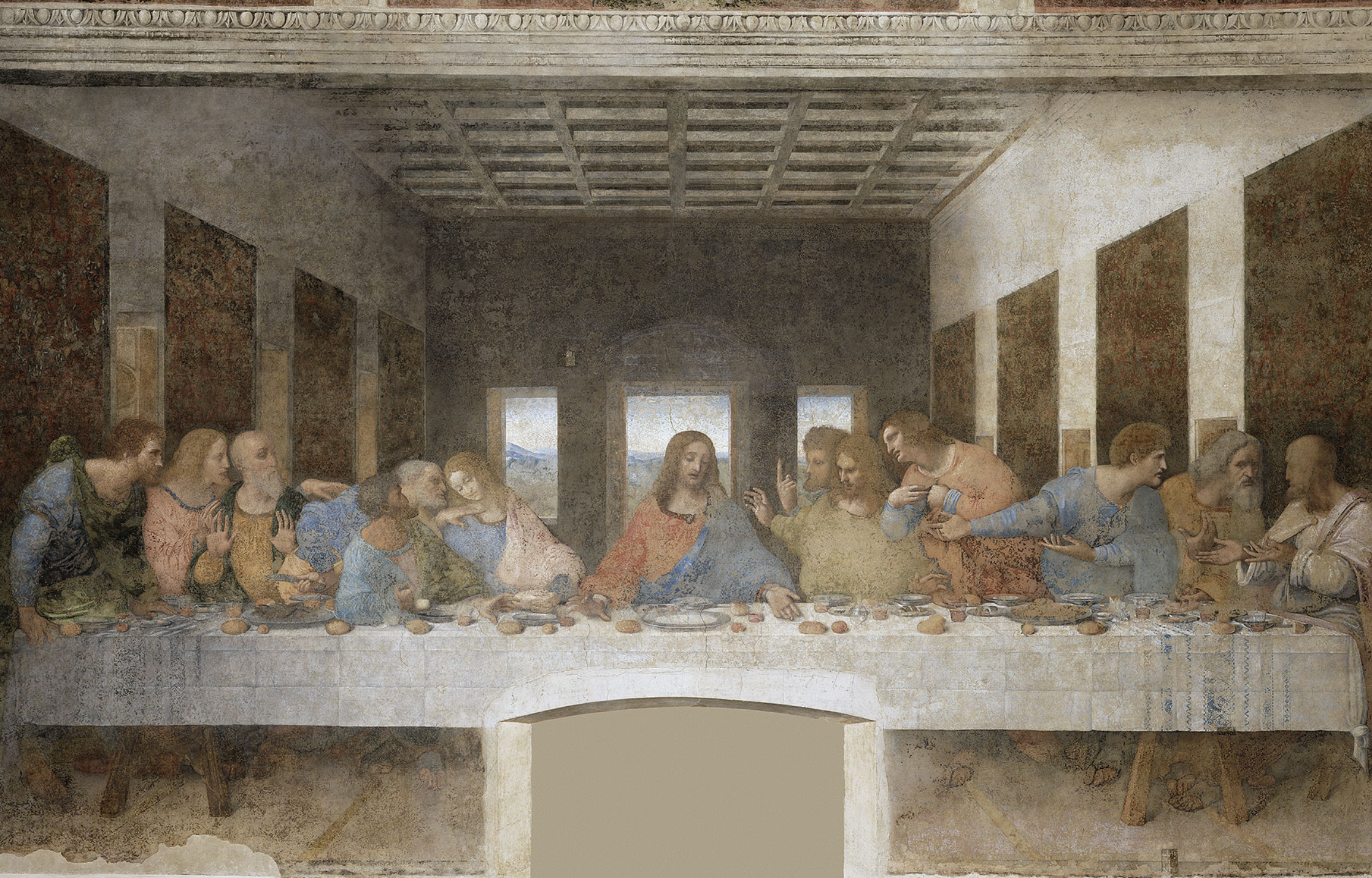
In the gospels, we read that the Eucharist was instituted at the Last Supper, fulfilling the covenants of Scripture. Jesus calls his cup "the new covenant in my blood" (Luke 22:20). Those who receive Holy Communion must be in a state of grace.
Understanding the Two Parts of the Mass
The Mass is the central act of Catholic worship. It consists of two principal parts which form a single act of liturgy:
Liturgy of the Word
We hear Holy Scripture proclaimed, respond through the psalm, listen to the homily, profess our faith in the Creed, and offer intercessory prayers for the needs of the Church and the world.
Liturgy of the Eucharist
We present the gifts of bread and wine. The priest offers the Eucharistic Prayer where Consecration occurs. We approach reverently to receive Holy Communion, and are sent forth to carry the Gospel to the world.